- By Daniela Restelatto
- 8 min read
- #Longevity #HealthyAging #Healthspan
The Longevity Question We Rarely Ask: What Is Most Likely to Steal Your Healthy Years?
Most longevity advice begins with addition.
Add more vegetables. Add strength training. Add a better sleep routine. Add supplements, meditation, social activities, brain exercises, protein, steps.
Eventually, healthy aging can start to look like a full-time job.
But there is another way to think about longevity: before adding more, identify what is most likely to take healthy years away.
That distinction matters because health risks are not equal. Someone who smokes and someone who already exercises, eats well, and manages cardiovascular risk do not need the same “longevity plan.” Nor does a physically active 60-year-old have the same priorities as an 80-year-old beginning to lose strength and balance.
The most valuable change may not be the healthiest habit in general.
It may be the one that addresses your weakest point.
“It’s extraordinary that we now live far longer than previous generations — but I often wonder whether this extended lifespan is truly a benefit for everyone. Longevity sounds like a universal victory, yet healthy aging requires resources, access to care, education, stable routines, and environments that support physical and social well-being. And the reality is that not all populations have these conditions. Living longer is only an advantage when those extra years are lived with autonomy, mobility, and dignity. Without that, longevity can become a burden — for individuals, families, and entire health systems.
The article reinforces this concern: healthy years are not stolen by lack of optimization, but by the major risks we fail to address. High blood pressure, diabetes, inactivity, poor diet, social isolation, and declining strength are not abstract wellness topics — they are structural issues that require investment, public policy, and accessible healthcare. It makes me question whether societies are truly prepared for an aging population that needs more support, not just more years. Longevity is not just about adding habits; it’s about removing the bottlenecks that quietly erode health. And many people simply don’t have the financial or social conditions to do that.
So yes, living longer can be sensational — but only if we create environments where healthy aging is possible for everyone, not just for those who can afford it. Longevity should be a collective achievement, not a privilege.” Silvia Fernandes – Curator of LongevityHabitos Portal
Watch: Habits to Live Longer: 10 Simple Changes That Can Increase Your Life Expectancy
This video explores practical habits commonly associated with longevity and healthy aging. It complements this article’s examination of why major health risks, functional decline, dietary patterns, sleep problems and social isolation may deserve different levels of priority depending on the individual.
IN THIS ARTICLE
The Problem With Treating Every Healthy Habit as Equal
A typical longevity list places exercise, sleep, diet, relationships, purpose, stress management, and cognitive stimulation side by side.
Scientifically, that creates a false equivalence.
Some risks have decades of evidence connecting them with major diseases and premature death. Others are associated primarily with function, cognition, or well-being. Some relationships are supported largely by observational studies, where cause and effect can be difficult to separate.
Smoking makes the difference obvious.
People who continue smoking face a substantial loss in life expectancy. Importantly, quitting still matters later in adulthood. Research comparing cessation at different ages has found survival benefits even among people who stopped in their 50s and 60s.
Now compare that with advice to “keep your brain active.”
Learning, reading, and intellectual engagement may be worthwhile. But recommending a new language to someone who continues smoking as though the two behaviors occupy the same level of longevity evidence misses the point.
Healthy habits should not simply be collected.
They should be weighted.
Start With What Can Cause the Most Damage
The first layer of longevity is surprisingly unglamorous.
Smoking. Severe inactivity. Unmanaged blood pressure. Poorly controlled diabetes. Major cardiovascular risk.
These rarely appear in viral longevity content because they are familiar. Familiar, however, does not mean unimportant.
The mistake is to optimize around a major unresolved risk.
A person can eat berries every morning, walk after dinner, and buy a sophisticated sleep tracker while still ignoring persistently high blood pressure. None of those healthy behaviors becomes useless—but they do not erase the larger problem.
This suggests a better first question than “What healthy habit should I add?”
Ask:
What is currently most capable of damaging my future health?
Sometimes longevity begins not with optimization but with dealing seriously with something ordinary that has been neglected.
Then Ask a Different Question: What Am I Becoming Less Able to Do?
Living longer and remaining capable are not identical goals.
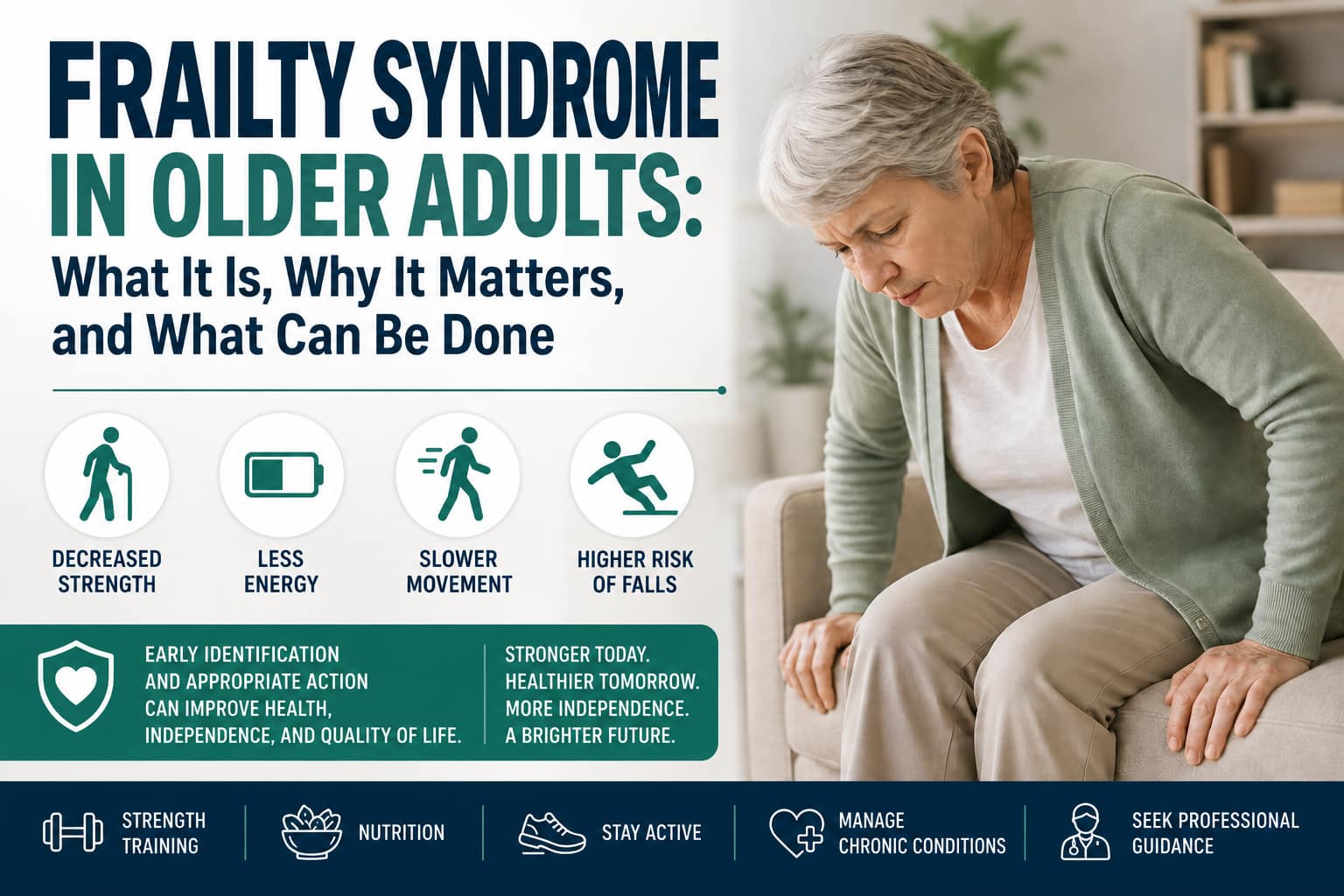
This becomes increasingly important as muscle strength, balance, aerobic capacity, and mobility change with age.
Resistance training illustrates the difference. A systematic review and meta-analysis found that people performing resistance training had a 15% lower risk of all-cause mortality than those doing none. Because much of this evidence is observational, the number should not be interpreted as a guaranteed effect from lifting weights.
But mortality is only part of the story.
Muscle is also involved in ordinary independence: getting out of a chair, carrying groceries, climbing stairs, recovering after illness, catching yourself during a loss of balance.
That changes the longevity conversation.
Instead of asking only, “Am I exercising enough?” ask:
Is anything physically harder than it was a year or two ago?
The answer may reveal more about future healthspan than a step count alone.
Diet: Stop Looking for the Winning Food
Longevity nutrition has a marketing problem.
Individual foods are easy to promote. Dietary patterns are harder to package.
Yet long-term evidence points much more strongly toward the pattern.
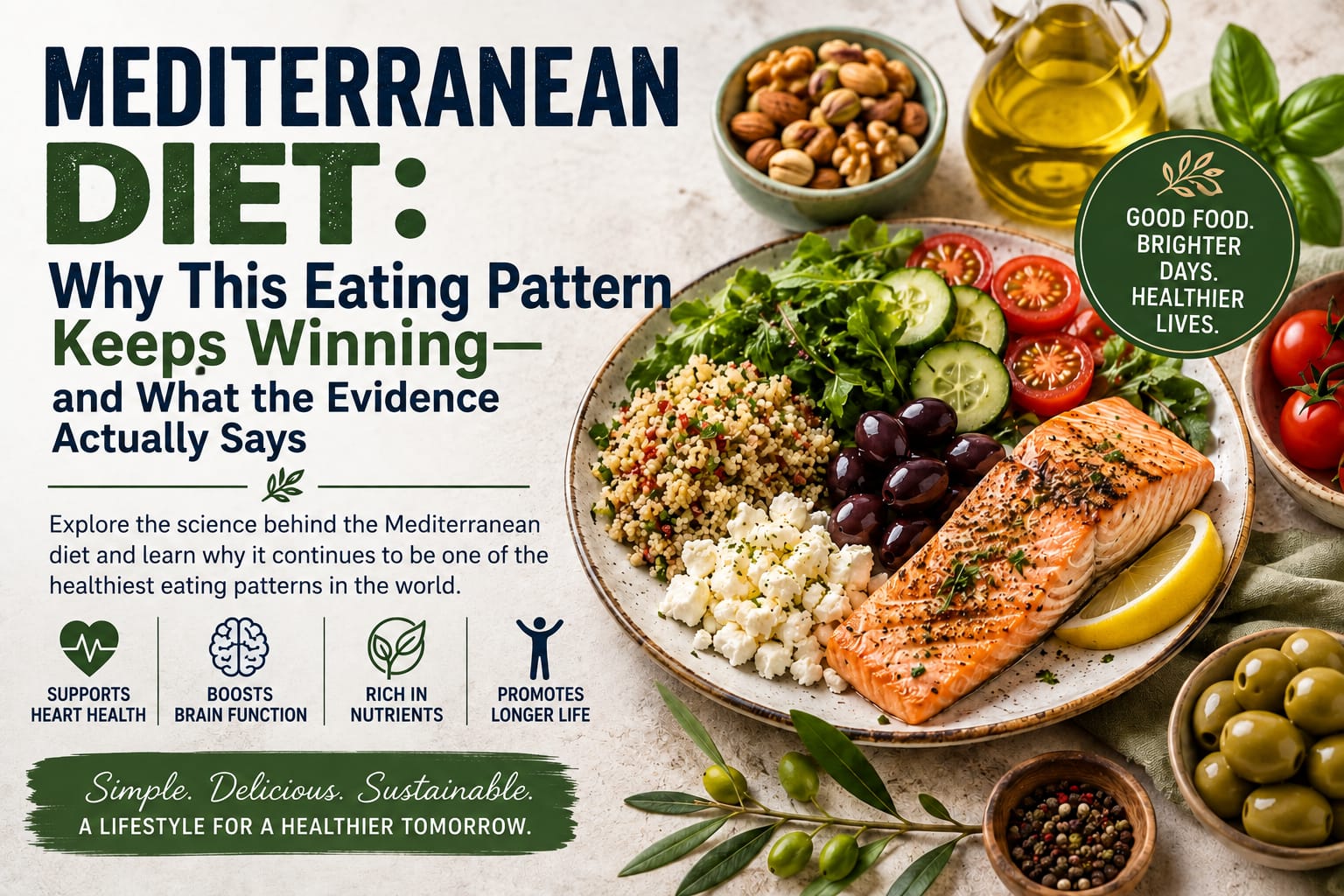
A 2025 Nature Medicine study followed 105,015 U.S. adults for up to 30 years and compared eight dietary patterns with a demanding definition of healthy aging: reaching older age free of major chronic disease while maintaining physical, cognitive, and mental health.
Greater adherence to every healthy dietary pattern studied was associated with better odds of healthy aging. Diets differed, but they repeatedly emphasized combinations of foods such as fruits, vegetables, whole grains, nuts, legumes, and unsaturated fats.
Only 9.3% of participants met the study’s complete healthy-aging definition.
That number is useful because it shows how demanding healthy aging actually is. It is not simply surviving long enough to reach a birthday.
The study was observational, so it cannot prove that following one specific diet will produce the same outcome for an individual. But it challenges the idea that longevity depends on discovering a special food.
The useful question is simpler:
Is my overall eating pattern helping my future health—or am I trying to repair a weak diet with a few “healthy” additions?
Sleep Can Be a Clue, Not Just a Habit
Sleep advice is another area where optimization can become a distraction.
Both unusually short and long sleep have been associated with poorer health outcomes in observational research. But association is not explanation.
Long sleep may sometimes accompany illness, depression, low activity, medication effects, or frailty. Short sleep may reflect insomnia, pain, work schedules, stress, or sleep disorders.
That means a dramatic change in sleep should not automatically trigger a search for the perfect nighttime routine.
Sometimes the more important question is:
Why has my sleep changed?
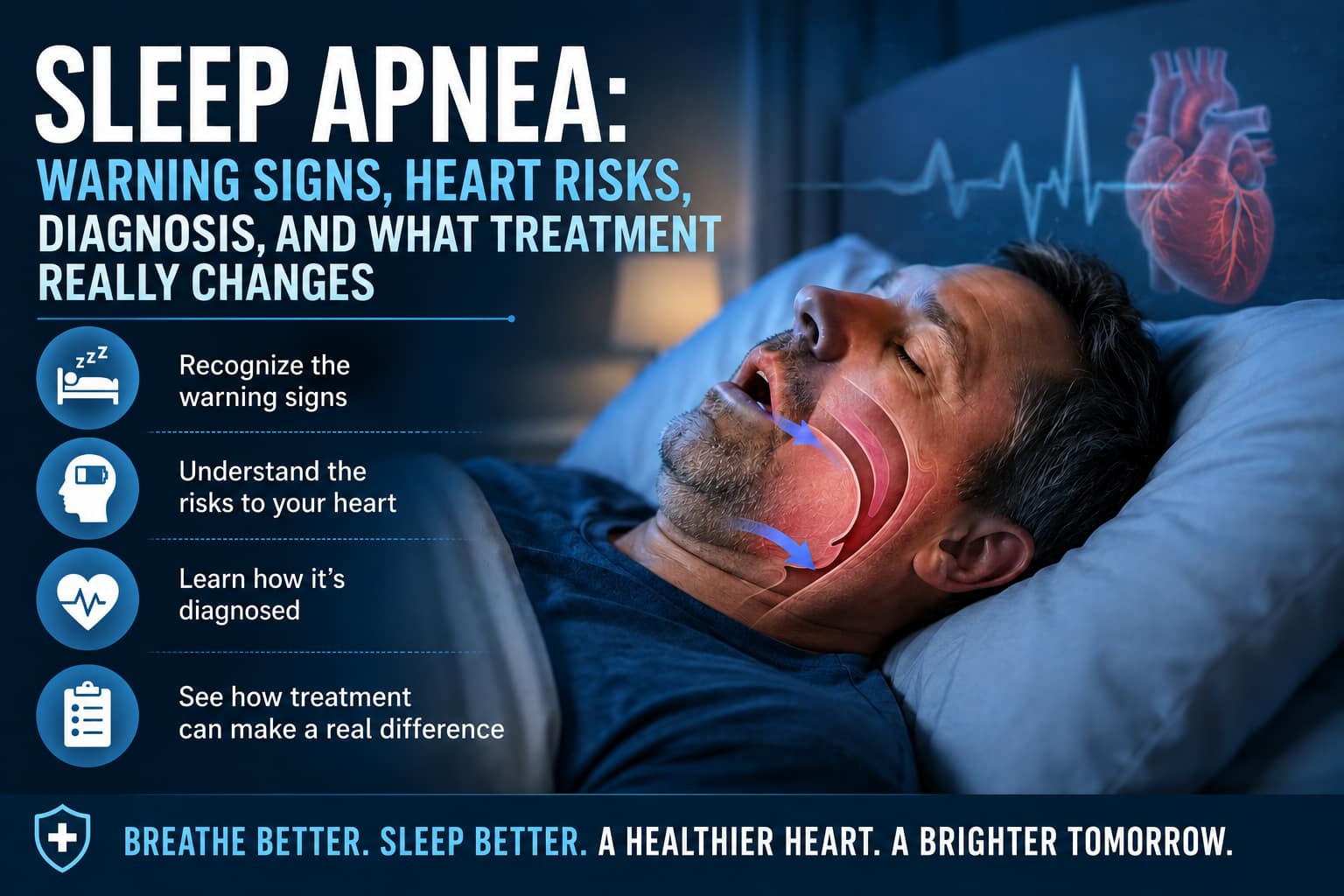
Persistent insomnia, excessive daytime sleepiness, loud snoring with breathing interruptions, or a substantial unexplained change in sleep can deserve proper evaluation.
A sleep mask cannot solve sleep apnea.
Longevity optimization should never become a reason to overlook symptoms.
The Risk We Still Treat as “Just Social”
Social connection occupies an unusual position in longevity research because people often think of it as emotional rather than physical health.
The distinction is becoming difficult to defend.
A 2025 meta-analysis combined 86 prospective or longitudinal studies in older adults. Loneliness was associated with a 14% higher risk of all-cause mortality, living alone with 21%, and social isolation with 35%.
Those figures require caution: they describe associations, not guaranteed individual effects. The studies were also heterogeneous, and poor health itself can contribute to isolation.
That last point is important.
An older adult may become isolated because hearing loss makes conversations exhausting, mobility problems make leaving home difficult, a spouse dies, driving stops, or caregiving consumes social time.
So “socialize more” may be poor advice.
The better question is:
What is making connection difficult?
Sometimes the longevity intervention is not finding more friends. It is treating hearing loss, improving mobility, solving transportation, addressing depression, or rebuilding routine after bereavement.
Not Every Longevity Benefit Is About Mortality
This is where rankings become dangerous.
Suppose an activity does not have evidence showing a large reduction in mortality. That does not make it irrelevant.
Learning can enrich life. Purpose can organize behavior. Friendship can protect against loneliness. Strength can preserve independence. Sleep can influence how a person functions tomorrow, not merely how long they eventually live.
Longevity has several outcomes hiding inside one word:
years lived, years lived without major disease, physical independence, cognitive function, emotional health, and the ability to participate in life.
A habit can matter enormously to one of these without producing a dramatic mortality statistic.
The goal is not to reduce life to a competition between hazard ratios.
It is to understand what outcome you are trying to protect.
Find the Bottleneck Before Adding Another Habit
A more useful longevity review can begin with four questions.
What is my largest established health risk?
Start with major modifiable risks and clinically important conditions rather than wellness details.
What ability am I beginning to lose?
Strength, balance, endurance, mobility, hearing, sleep quality, or another functional change can identify an emerging vulnerability.
Is the problem a pattern or a detail?
A weak overall diet matters more than selecting the perfect nut. Chronic inactivity matters more than finding the perfect exercise tracker.
Am I optimizing something that already works?
People who already have strong habits can spend enormous effort improving them marginally while another problem receives little attention.
This is the difference between accumulation and prioritization.
The Best Longevity Habit May Be the One You Keep Avoiding
There is no universal first place to start.
For one person, quitting smoking may overwhelm the value of every small optimization combined. For another, the central problem may be progressive weakness. Someone else may need cardiovascular risk management, a major improvement in diet, investigation of disrupted sleep, or a way out of growing social isolation.
That makes longevity less glamorous than the internet often suggests.
It is not necessarily about discovering what researchers found this month.
It is about identifying what threatens your next healthy decade.
Before asking what else you can add to your routine, ask what has been quietly becoming your bottleneck.
That answer may be far more valuable than another list of ten healthy habits.
FAQs
What is the most important habit for longevity?
There is no universal winner. The priority depends on baseline risk, health conditions, current behaviors, and functional capacity.
Is exercise more important than diet?
Both are important. A severely inactive person and someone with a poor dietary pattern have different opportunities for improvement, so the comparison is rarely useful without context.
Why is strength important as we age?
Strength supports mobility and everyday independence. Resistance training is also associated with lower mortality in observational research.
Does social isolation really affect longevity?
A large 2025 meta-analysis found higher mortality associated with loneliness, living alone, and particularly social isolation. The relationship is complex because declining health can also increase isolation.
Is it too late to change habits later in life?
No. Important changes can still provide benefits later in adulthood. The appropriate priority, however, should reflect individual health and functional status.
Related Articles from Longevity Hábitos
Healthy Habits: 12 Daily Practices for Better Health and Longevity
https://longevityhabitos.com/healthy-habits-longevity/ Hábitos de longevidade
Healthy Daily Habits: 12 Science-Backed Routines for Better Health
https://longevityhabitos.com/healthy-daily-habits/ Hábitos de longevidade
7 Micro Habits That Improve Health and Longevity
https://longevityhabitos.com/micro-habits/
Scientific & Institutional References
Nature Medicine — Optimal Dietary Patterns for Healthy Aging
https://www.nature.com/articles/s41591-025-03570-5
PubMed — Resistance Training and Mortality Risk: Systematic Review and Meta-analysis
https://pubmed.ncbi.nlm.nih.gov/35599175/
PubMed — Loneliness, Social Isolation, Living Alone and Mortality in Older Adults
https://pubmed.ncbi.nlm.nih.gov/39836319/
New England Journal of Medicine — Hazards of Smoking and Benefits of Cessation
https://www.nejm.org/doi/full/10.1056/NEJMsa1211128
Written by: Daniela Restelatto — Health & Longevity Content Writer
Reviewed by: Silvia Fernandes — Scientific Content Curator, Longevity & Healthy Aging
AI-assisted production, manually reviewed and edited.
Editorial note: Much of the research linking lifestyle with longevity is observational. Associations should not be interpreted as guarantees of individual benefit or simple proof of causation.
Important disclaimer: This article is educational and does not replace individualized medical advice, diagnosis, or treatment.
Last updated: September 2026
- Newsletter International
Longevity Club
Receive exclusive science-based insights on longevity, health, habits, and well-being — delivered weekly for free.
- Exclusive PDF guides
- Evidence-based content
- 100% Free
- Community Brazil
Longevity Hábitos Community
A supportive WhatsApp community for Brazilians focused on health, balance, longevity, and daily motivation.
- Exclusive community
- Daily motivation
- Practical habits
- 100% free
Continue Learning
Explore more content on health, well-being, and longevity.